
A WDI inspection documents evidence of termites, carpenter ants, powder post beetles and wood-destroying fungus, and is commonly required for VA and FHA financing.
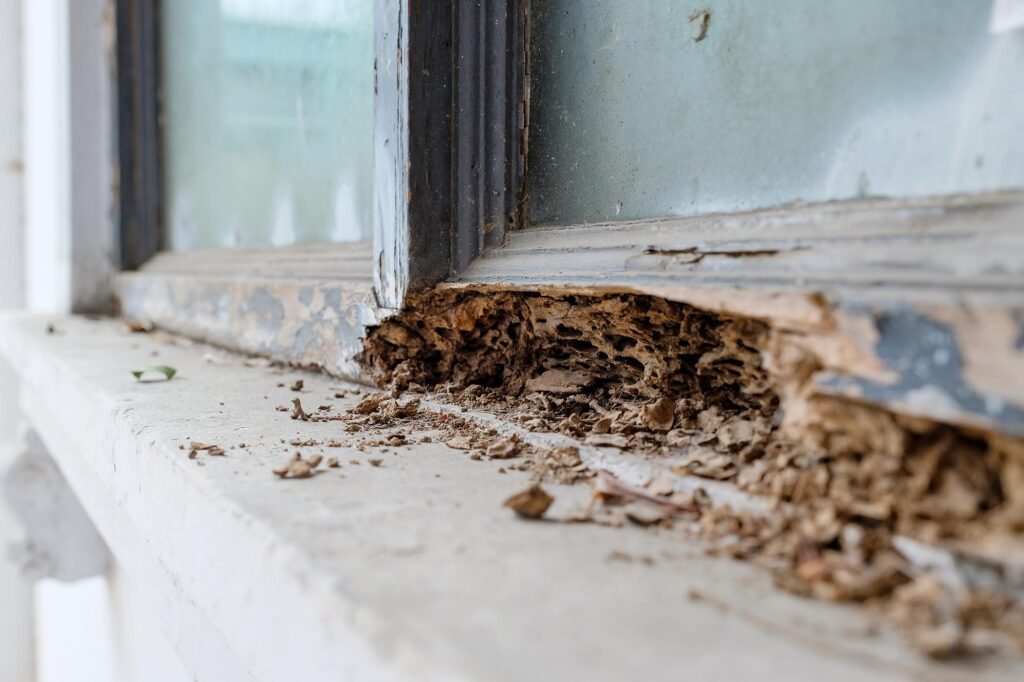
Eastern subterranean termites are active throughout the state and work from the inside out, so visible damage usually means the colony has been there a while. The evidence is in the places nobody looks.
Three groups of insects cause nearly all the damage we document in Maryland.
Build mud tubes from the soil into the structure and hollow out framing from within.
Excavate galleries in damp or damaged wood, often where a chronic leak has gone unnoticed.
Leave small exit holes and fine frass, most often in crawl space framing and subflooring.
Baltimore, Harford, Howard, Frederick and Montgomery County.
Insect activity and moisture problems usually show up in the same places.
A full evaluation of the structure and every major system, for buyers and sellers.
Moisture, framing, insulation and pests under the floor.
Water entry, foundation movement and finished-space concerns.
Cracking, settlement and drainage around the structure.
Find the source, the moisture path and the hidden damage.
Find and fix the surprises before your property goes on the market.
Call Doug and the team on (410) 925-2088 or email clientcare@mdhi.com with anything else.
Many lenders require a WDI report, particularly on VA and FHA loans, and most buyers order one regardless. Termite damage is rarely covered by homeowners insurance.
It is a separate inspection with its own report, but we perform it during the same visit so you only coordinate one appointment.
The report documents the evidence and any conducive conditions. From there you can get treatment and repair quotes and address it with the seller before settlement.
Add a WDI inspection to your visit and keep the financing on track.