
A seller inspection finds the problems before a buyer does, so you control the repairs, the timing and the price instead of renegotiating under pressure.
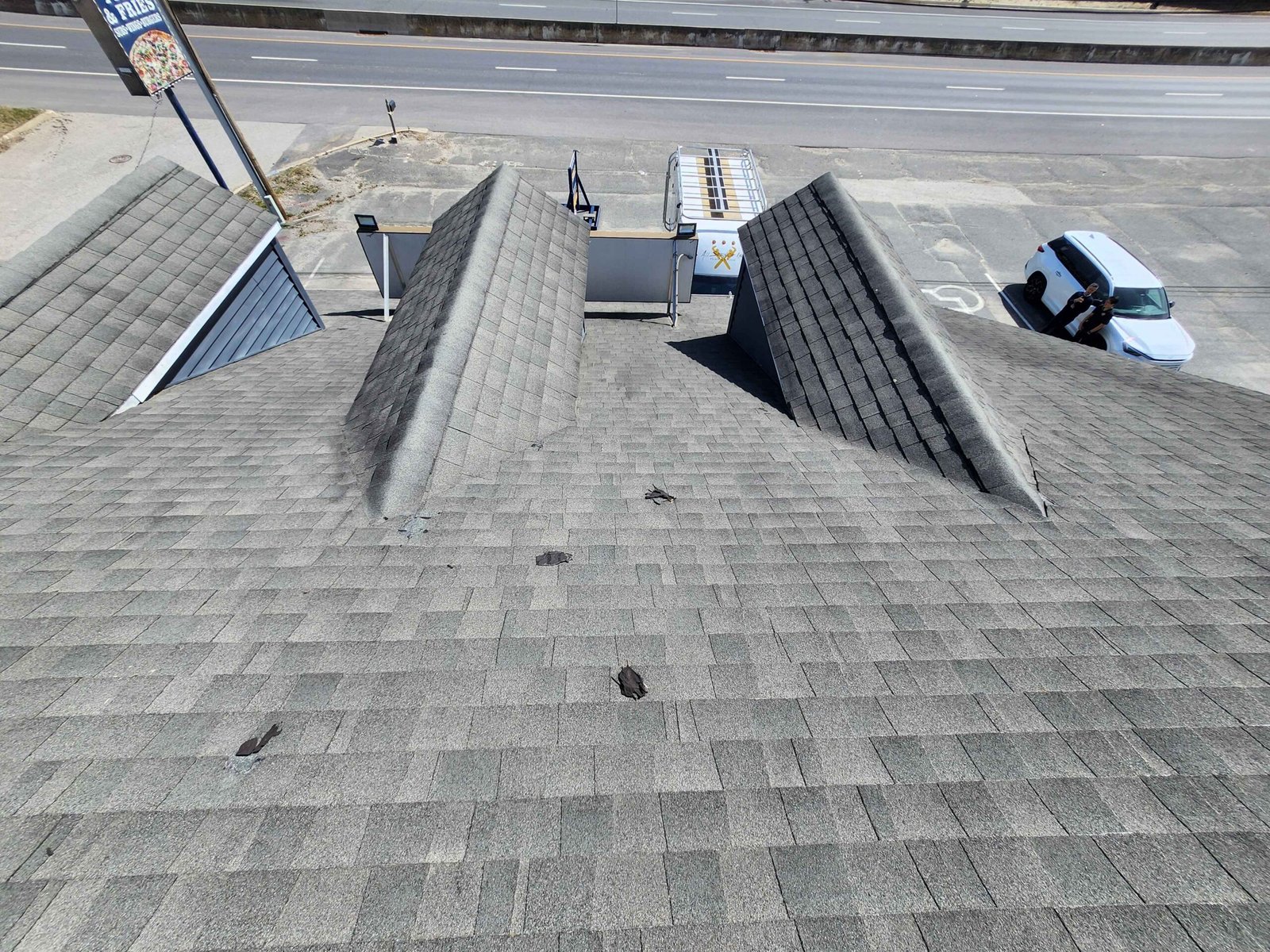
Most deals wobble after the buyer’s inspection, when a list of unknown defects suddenly becomes a price negotiation. Going first puts you in charge of that list.
A small upfront cost that protects the sale price later.
Choose your own contractors and timeline rather than accepting buyer demands.
A disclosed report removes the leverage that a surprise finding would have given.
Deals with a pre-listing report tend to move through the contingency period with less friction.
Sellers frequently add these so the buyer has nothing left to discover.
A full evaluation of the structure and every major system, for buyers and sellers.
Verification that the agreed repairs were actually completed.
Measure this invisible gas before you commit to the property.
Wood-destroying insect inspection, often required by lenders.
Covering, flashing, drainage and the remaining service life.
A camera down the main line to find roots, breaks and bellies.
Call Doug and the team on (410) 925-2088 or email clientcare@mdhi.com with anything else.
Maryland sellers have disclosure obligations about known defects. Once you have a report, what it contains is known to you, so talk with your agent or attorney about how the findings should be handled. Many sellers choose to share the report openly as a selling point.
No. We help you understand which items are safety or lender concerns and which are minor maintenance a buyer is unlikely to raise.
Two to four weeks is comfortable. That leaves time for quotes and repairs without delaying your listing date.
Book a pre-listing inspection and walk into your listing knowing exactly where you stand.